
Loneliness became a greater concern during the coronavirus pandemic. This unprecedented event drastically altered the way people interacted with others in their daily lives. A large portion of the workforce left the office space to work remotely, and schools temporarily closed, causing children and adolescents to participate in school via online learning from isolated spaces at home. Meanwhile, social media platforms like Snapchat, Instagram, and Tiktok remained as some of the only available ways to stay connected. In the few years since, what mark has all this left on today’s youth?
Before COVID, roughly 10-15% of teens reported loneliness (Zoellner et al., 2025). In 2020, rates shot up to about 34%. Today, 20% of teens say they still experience it. A study from this year of over 6,000 adolescents in the U.S. found that approximately 40% of teens experience some degree of loneliness by age 14 (Otmar & Nagata, 2026). The shifts away from face-to-face interactions towards digital methods have become a new normal, rather than a temporary solution during a pandemic. Now, loneliness can be linked to depression, anxiety, and other mental health problems over time.
A growing concern is the impact that social media can have on the mental health of teens. Research shows that the more time teens spend on social media, the greater likelihood of mental health problems. For instance, more than three hours on social media per day makes issues like anxiety and depression twice as likely (Riehm et. al., 2019). Extended time on social media has also been reported to hinder sleep, real-life friendships, and confidence (Gibson, 2025).
Remote lifestyles and social media are well-embedded into society today, but this doesn’t have to mean we give up on finding ways to stay authentically connected with one another – especially when the mental health of today’s youth depends on it.
What can help reduce teen loneliness?
- Quality Over Quantity: Research suggests that just one close friend can be more beneficial than many superficial friendships (Lodder et al., 2015). Deep conversations and feeling understood reduces loneliness more effectively than popularity. *Try: One-on-one hangouts, shared hobbies/activities, sleepovers.
- In-Person Time: The positive effects of in-person time are significantly more powerful than texting/online interactions (Achterhof et al., 2022). *Try: Sitting together at lunch, studying together after school, taking the bus together, simply doing nothing together but face-to-face (even this makes a real difference!)
- Activities That Lead to Friendships: Connection is made easier when there’s something teens can do together. Conversation happens more naturally and there’s less pressure overall. *Try: Clubs, sports, volunteering, part-time jobs, community groups.
- Connection at Home: A strong emotional connection at home protects against loneliness (even if teens don’t show it). *Try: Parents listening without trying to fix problems, eating dinner together (even just a few times a week), parents taking an interest in the things the teen cares about, talking while driving places together, watching tv shows together.
- Decrease Passive Social Media Use: Mindless scrolling and comparison with others is more harmful than real engagement online (Godard & Holtzman, 2024). *Try: Time limits on the apps that lead to hours of scrolling, more group chats and planning in-person activities, more messaging close friends directly.
- One Caring Adult: Even just one adult that checks in from time to time can help reduce loneliness, whether it’s a parent, coach, teacher, neighbor, relative, or mentor (Morin, 2020). If you’re a parent, it’s okay to ask another adult you trust to join you in making an intentional effort with your teen for a period of time and see how it goes. If you’re a teen, don’t hesitate to reach out to the trustworthy adults in your life for support. Not sure who that could be? Give us a call at MCT to learn more about working with one of our therapists who are passionate about helping kids and teens feel less alone through life’s ups and downs. MCT office phone: (909) 336-3330.
- Focus on the Key to Feeling Known: The key to fighting loneliness is less about having a full social calendar and tons of friends, and more about feeling understood, feeling accepted, and feeling a sense of belonging (Grigorian et al., 2024). For parents, sending this message at home helps to lay that foundation. *Try: Asking your teen about their feelings and really listen, avoid judgement–especially celebrate the things that make them unique, regularly remind them you love them!
What are some local opportunities for in-person friendships?
- Crestline Comics:
- Dungeons & Dragons group every Sunday
- Poke Pine Cabin (Pokemon Store):
- Homeschool 3D printing school (Now enrolling, ages 8-16)
- Summer Adventure Journal Club (June 1-Aug 7, Creative outdoor fun for kids)
- Trade Nights (Weekly card trading)
- Game Room (Open for playing/watching trading card games or just hanging out
- Rim of the World Recreation & Park District:
- Archery Classes (ages 10-18)
- Aerial Hammock Fitness Classes (ages 7-14)
- Recreational Gymnastics (Ages 3.5-13)
- Youth Dance Program (Ages 2.5–17)
- Gymnastics, Ballet & Tap Combination Classes (Ages 2.5-8 yrs)
- A.R.T. Circus (Aerial-Rhythmic-Tumbling Combo Class (Ages 5-9 years)
- Recreational Gymnastics Program – Preschool, Kinder & Youth (Ages 3-13 yrs)
- DanceSport Competitive Dance Team (Ages 10+ yrs)
- Twin Peaks Community Center:
- Pokemon Club (Ages 6+)
- Crestline Branch Library:
- Craft Corner (Ages 6-11, art projects)
- Lake Mud Pottery:
- Kid’s workshops – Hand building coil pots and pinch pots
- Silent Disco For Youth Event:
- Middle School Dance – May 29th, 2026 *FREE ADMISSION*
- 10K and 5K Run (Or Walk) Through the Pines:
- “OPEN COURSE” 10K and 5K run (or walk) around Lake Gregory and through a pine tree forest – August 8th, 2026
- Twin Peaks Garden Learning Center:
- Gardening Classes
- Forest Bathing
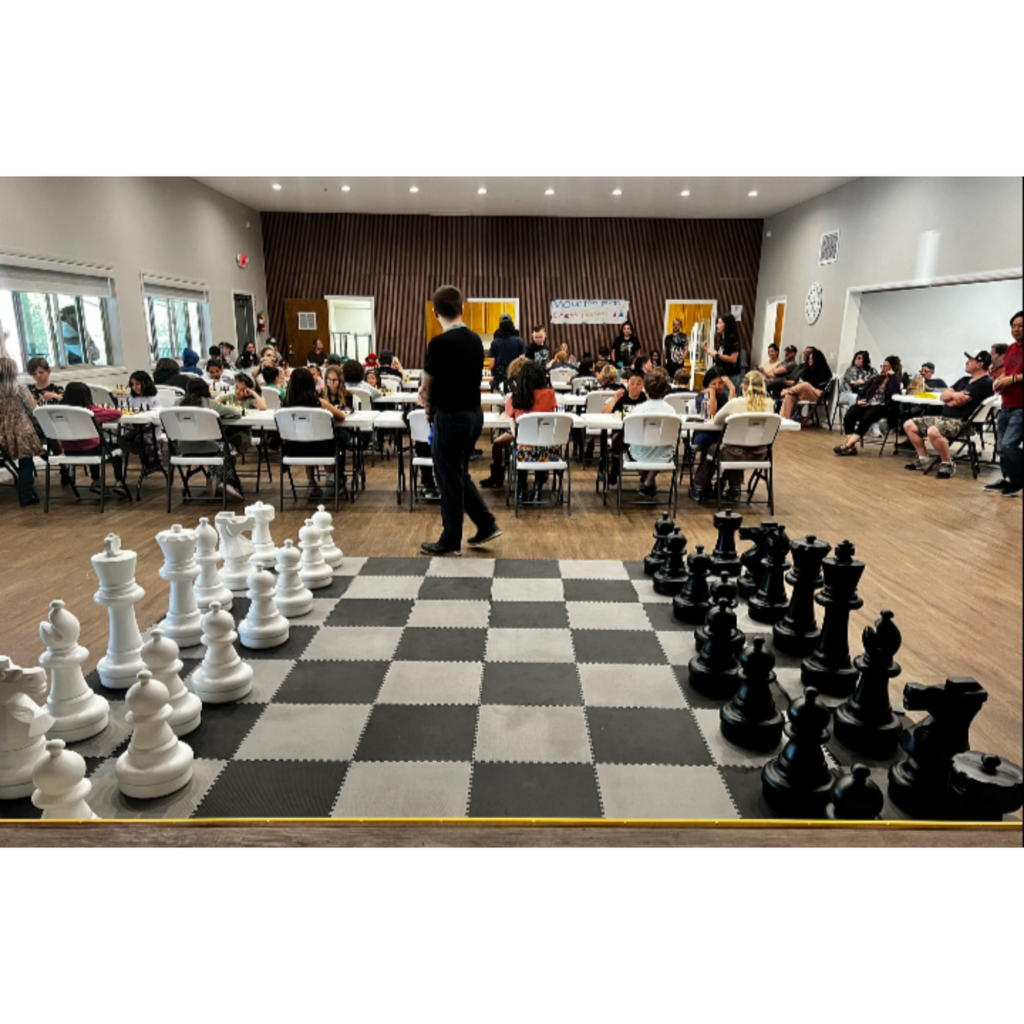
- Mountain Youth Chess Program
- In-person chess classes in Running Springs at the Hootman Center on Wednesdays during the winter months
- Possible youth summer chess camp for one week in July (TBD).
- Contact: [email protected] and [email protected]
- Follow on facebook for more information: https://www.facebook.com/profile.php?id=61584905841521
Resources
- https://www.sciencedirect.com/science/article/pii/S2352827326000212
- https://jamanetwork.com/journals/jamapsychiatry/fullarticle/2749480
- https://www.washingtonpost.com/lifestyle/2025/04/25/teens-mental-health-social-media/
- https://pmc.ncbi.nlm.nih.gov/articles/PMC12647284/
- https://doi.org/10.1080/15374416.2015.1070352
- https://www.sciencedirect.com/science/article/abs/pii/S0747563221004829?via%3Dihub
- https://academic.oup.com/jcmc/article/29/1/zmad055/7595758
- https://doi.org/10.1007/s11218-020-09600-z
- https://doi.org/10.1186/s12889-024-18059-y